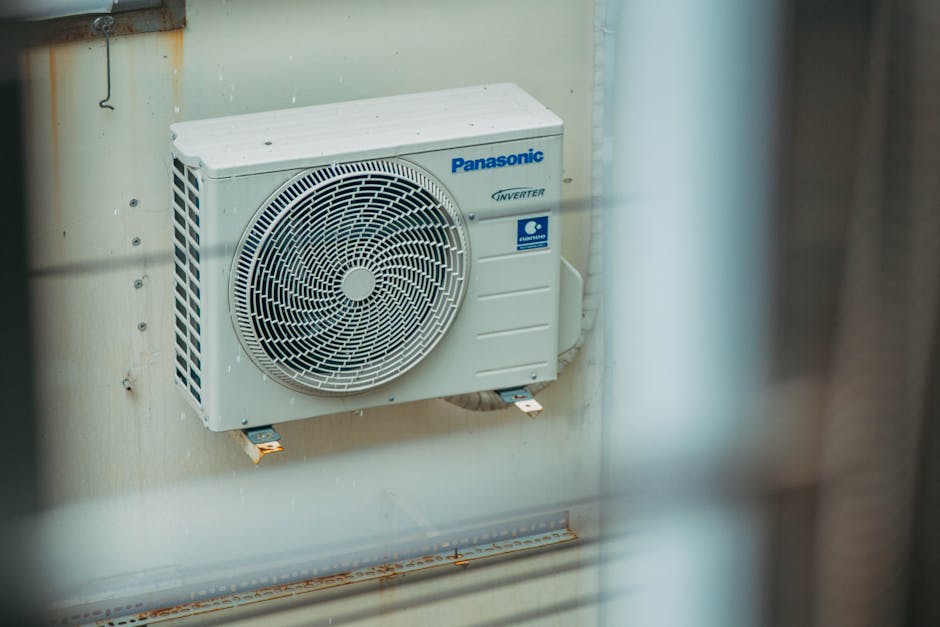
When it comes to enjoying your swimming pool, maintaining the right temperature is essential for comfort and usability. One effective solution for heating your pool is a heat pump, which utilizes the ambient air to warm the water, providing an energy-efficient way to extend your swimming season. In this article, we will explore the fundamentals of pool heat pumps, guide you through the installation process, and help you choose the right model for your specific needs.
Understanding Pool Heat Pumps: How They Work and Their Benefits
Pool heat pumps operate by transferring heat from the air to the water in your pool. They work similarly to a refrigerator, extracting heat from the outside environment and using it to warm the pool water. This process allows for efficient heating, as heat pumps consume less energy compared to traditional gas heaters, making them a cost-effective choice over time.
One of the primary advantages of using a pool heat pump is its energy efficiency. By utilizing the heat from the environment, they can generate multiple units of heat for every unit of electricity consumed. Additionally, heat pumps are environmentally friendly, as they produce fewer greenhouse gas emissions compared to fossil fuel-based heating methods.
Another benefit is the ability to maintain a consistent water temperature, providing a comfortable swimming experience regardless of the season. This consistency ensures that your pool remains inviting and enjoyable for family and friends, encouraging more frequent use.
Steps to Install a Pool Heat Pump: A Comprehensive Guide
Installing a pool heat pump is a straightforward process, though it requires careful planning and execution. Here’s a step-by-step guide to help you through the installation:
1. Gather Necessary Tools and Materials
Before beginning the installation, ensure you have the following tools and materials:
- Wrenches
- Screwdrivers
- PVC pipes and fittings
- Silicone sealant
- Electrical wiring and connectors
- Leveling tools
2. Choose the Right Location
Select a suitable location for your heat pump. It should be placed on a level surface near your pool equipment and be easily accessible for maintenance. Ensure there is adequate airflow around the unit to optimize efficiency and performance.
3. Connect Water Lines
Begin by connecting the water lines from your pool to the heat pump. Use PVC pipes to create a secure and watertight connection. It’s crucial to follow the manufacturer’s instructions for proper alignment and fitting to prevent leaks.
4. Electrical Connections
Next, you will need to connect the heat pump to your electrical supply. This step may require a licensed electrician, as it involves handling high voltage. Ensure all connections are secure and adhere to local electrical codes.
5. Test the System
Once everything is connected, turn on the system and check for leaks in the water lines. Monitor the operation of the heat pump to ensure it is heating the water effectively. Adjustments may be necessary to optimize performance.
Choosing the Right Pool Heat Pump: Factors to Consider
When selecting a heat pump for your pool, several factors come into play:
1. Pool Size
The size of your pool directly impacts the heating requirements. Heat pumps are rated by their heating capacity, measured in BTUs. Choose a model that can efficiently heat your pool size to maintain comfort.
2. Climate
Your local climate plays a significant role in the efficiency of a heat pump. In warmer regions, heat pumps can operate effectively throughout the year, while colder climates may limit their performance during winter months.
3. Energy Efficiency Ratings
Look for energy-efficient models with high COP (Coefficient of Performance) ratings. This rating indicates how efficiently the heat pump converts electricity into heat, helping you save on energy costs.
In conclusion, understanding the principles of pool heat pump installation can empower you to make informed decisions about heating your pool. Whether you choose to install the heat pump yourself or hire professionals, ensuring that you select the right model for your needs is crucial. For assistance with pool heat pump installation and to explore various heating options, consider reaching out to local service providers who can offer quotes and services tailored to your requirements. With the right approach, you can enjoy your pool comfortably, regardless of the season.