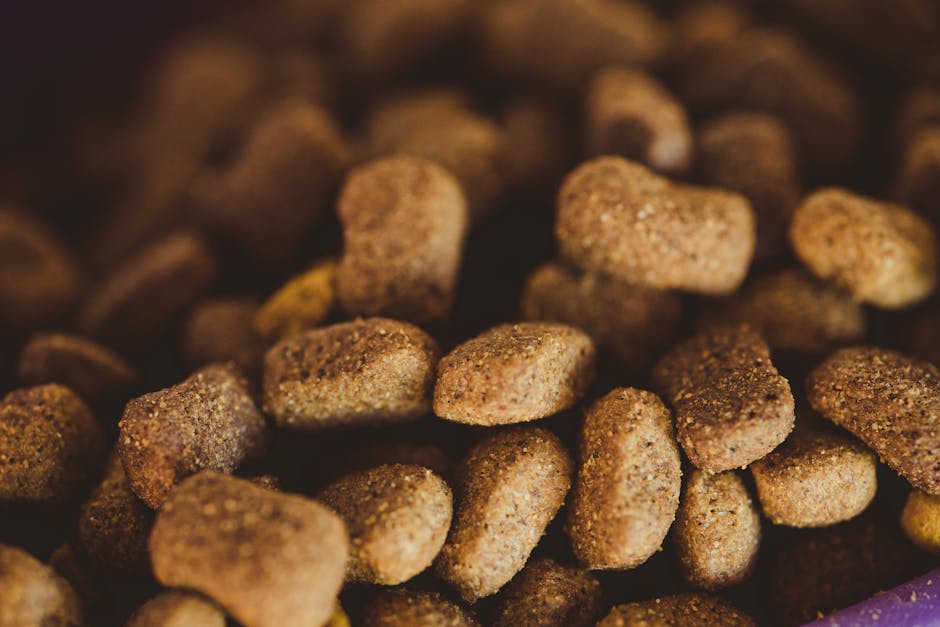
Understanding dog gut health is crucial for pet owners who want to ensure their furry companions lead happy, healthy lives. The gut plays a vital role in digestion, nutrient absorption, and immune function. When a dog’s gut health is compromised, it can lead to various health issues, impacting everything from energy levels to mood. Therefore, maintaining optimal gut health is essential for your dog’s overall well-being.
Signs of Poor Gut Health in Dogs: How to Identify Them
Recognizing the signs of poor gut health is the first step in addressing potential issues. Dogs may not be able to communicate their discomfort, but certain behaviors and physical symptoms can serve as indicators. Common signs of compromised gut health include:
- Changes in Appetite: A sudden increase or decrease in a dog’s desire to eat can signal gut issues.
- Digestive Upset: Frequent diarrhea, constipation, or vomiting are clear signs that something is amiss in the digestive tract.
- Excessive Gas: While all dogs produce gas, an abnormal increase can indicate an imbalance in gut bacteria.
- Weight Fluctuations: Unexplained weight loss or gain can be a direct result of poor nutrient absorption.
- Lethargy: A drop in energy levels may be linked to digestive problems and overall discomfort.
Being vigilant about these signs can help pet owners take early action to improve their dog’s gut health.
Dietary Choices for Optimal Gut Health: Foods and Supplements
Diet plays a fundamental role in maintaining and improving dog gut health. Providing high-quality, balanced nutrition is critical. Here are several dietary choices that can promote a healthy gut:
1. Probiotic-Rich Foods
Probiotics are beneficial bacteria that can help restore balance in the gut. Foods that are rich in probiotics, such as fermented vegetables, can be beneficial. There are also probiotic supplements specifically formulated for dogs that can be added to their diet.
2. High-Quality Fiber
Fiber aids in digestion and helps maintain regular bowel movements. Foods such as sweet potatoes, pumpkin, and brown rice are excellent sources of fiber and can support gut health.
3. Omega-3 Fatty Acids
Incorporating omega-3 fatty acids can help reduce inflammation in the gut. Fish oils and flaxseed are great sources and can be added to your dog’s diet for better gut support.
4. Hydration
Adequate water intake is essential for digestive health. Ensure your dog has access to fresh water at all times to support overall gut function.
5. Avoiding Fillers and Artificial Ingredients
When selecting commercial dog food, it’s vital to choose options that do not contain fillers or artificial additives. High-quality ingredients are key to supporting dog gut health.
| Food Type | Benefit |
|---|---|
| Probiotics | Restores gut balance |
| High-Fiber Foods | Aids digestion |
| Omega-3 Fatty Acids | Reduces inflammation |
| Hydration | Supports gut function |
| Quality Ingredients | Enhances overall health |
Practical Tips for Maintaining Gut Health
To maintain your dog’s gut health, it’s essential to establish a consistent routine. Regular vet check-ups can help catch any potential issues early. Along with monitoring your dog’s diet, consider introducing changes gradually to avoid digestive upset. Additionally, maintaining a stress-free environment can positively influence gut health, as stress can lead to digestive issues. In conclusion, understanding and promoting dog gut health is vital for your pet’s overall well-being. By recognizing the signs of poor gut health and making informed dietary choices, pet owners can help ensure their dogs remain healthy and happy. If you have serious concerns about your dog’s digestive health, consulting with a veterinarian is always a prudent step. For more options on improving your dog’s gut health through diet, you can explore various products that cater specifically to these needs.